
-
×
 شکلات خوری آب نقره گرد کوچک (سه پایه)
1 × ۴,۰۶۰,۰۰۰ تومان
-
×
 بشقاب میناکاری سبز
1 × ۱,۹۶۰,۰۰۰ تومان
enamelling
۲۸
مهر
مهر
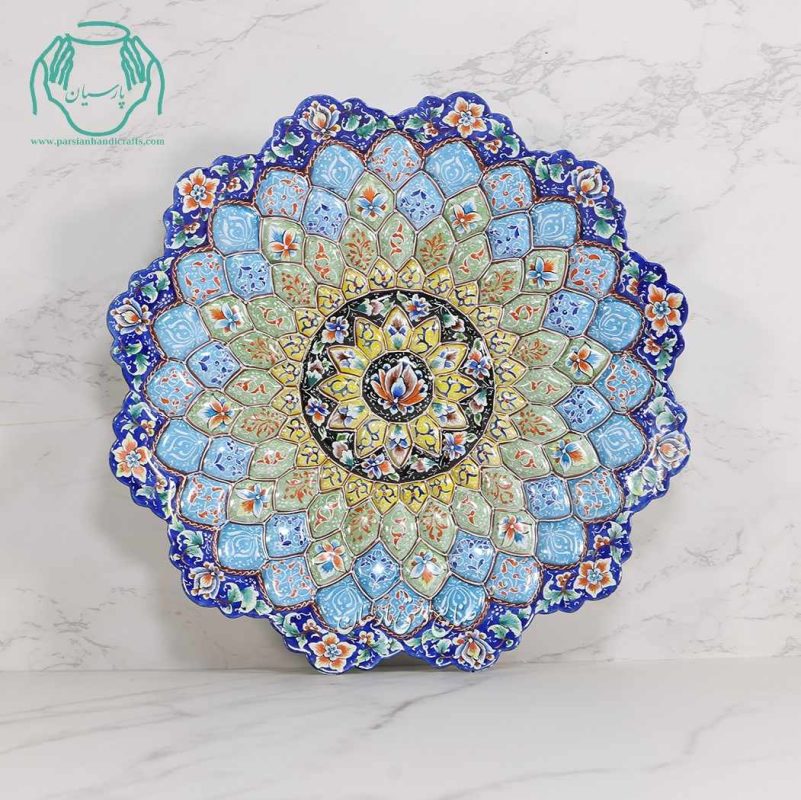
Enameling is the art of decorating metals with colored materials using fire. Therefore, enameling is also called the art of fire, soil, and color. Enameling has a long history, which according to historians dates back to 1500 BC. According to evidence left by Iran, it has spread to other parts of the world. Isfahan Enameling
Examples of enameling can also be found in works left by the Achaemenid, Sassanid, and Seljuk periods. This art reached its peak during the Seljuk period, and there are exquisite examples of enameling from this period, which show the peak and development of this art in Iran and the Seljuk period. Isfahan Enameling Products: Tang Sugar Vase
Enameling art was also popular until the Safavid period, and dishes with miniature, Islamic, festive, and other motifs are examples of this period. During the Qajar period, enamel work was limited to hookahs and ornaments and such. After the Qajar period, this art was revived and revived in the contemporary period thanks to the efforts of Master Shokrollah Sanizadeh.
Isfahan Enamel Work
The city of Isfahan has long been the cradle and center of production and creation of works decorated with enamel work, which has a worldwide reputation. Today, in Isfahan, which is the main center of enamel production, many artistic men and women are busy producing enamel works in different workshops with taste and each in their own way.
In terms of production method, enamel is divided into several categories: raised-ground enamel, house-decoration enamel, and painted enamel. The most common type of enamel used in Isfahan is painted enamel.
Gold is the best substrate for enamel work due to its malleability, but due to its high cost, copper is used today to make the substrate or enamel base.
In the first stage of enamel work, the dishes or any copper base made by a coppersmith is completely covered with white enamel. This process is repeated three or four times, each time fired in a kiln. Then the artist begins painting. After the desired design is executed on the work surface, it is fired again to stabilize the colors and make them shiny.
In the past, vegetable dyes were used to color and create patterns, but today they have been replaced by mineral dyes.
Isfahan Enamelware
The designs on enamel works are often Islamic and Khatai, hunting grounds, feast scenes, flowers and birds, miniatures, or a combination of several, created according to the artist’s taste and style.
After completing the painting process, the surface of the work is covered with a thin layer of transparent glaze and baked once again. At this stage, the enamel is polished and ready for sale.
You can find out to some extent the quality of the material you want by touching the surface of the work. The surface of the work should be completely polished and smooth, without protrusions or protrusions.
Look carefully at the design and pattern, it should be completely symmetrical and without defects, and the colors should not merge. The back and bottom of the work should also be glazed as well as the surface of the work.
Clean your enamel works with a soft sponge and warm water, protect them from contact with sharp objects, and do not place them near high heat.
Enamel works, including plates, sugar bowls, jars, bowls, etc., captivate the heart of every viewer with their design, color, and pattern, and can add a special touch to your home or workplace. Enamel works are not only an art, but also a valuable cultural heritage that can be a valuable and lasting gift for your loved ones.
Price of enamel dishes
The base of enameled bodies is copper and sometimes brass, of course, in addition to copper, gold and silver are also used to make jewelry and decorative pieces. It is not possible to express a definitive opinion about the history of enameling. The first enamel work ever found was six gold rings from the 13th century BC, which were found in Cyprus, and are considered the only authentic works of enameling. In Iran, some researchers believe that enameling dates back to 1500 BC. According to the famous historian Pope, enameled pieces are an invention of the Iranians, and a very excellent example of it is the Khosrow Cup from the Sassanid period. Enamelwork of Isfahan
The peak of enamel art was during the Seljuk period, and then during the Safavid period and in Isfahan, this art took on a new look in combination with motifs of courtiers’ feasts or hunting parties, etc. Enamelers present their products in two ways: painting and house-decoration, but what is done in Isfahan is the enamel-painting method.
To prepare the enamel, several steps must be taken. In this way, the object that they want to enamel is made in any shape and size by a specialist coppersmith, and its surface is prepared for engraving with a layer of white glaze (kaolin) by baking it in a kiln 3 to 4 times at a temperature of 700 °C for a certain period of time. Isfahan Enamel Products: Sugar Pot, Tang, Workshop and Distribution Center
After painting, the temperature of the kiln is adjusted according to the colors used so that the color adheres to the body glaze and prevents it from burning. Enamelers use gold oxide to prepare red color, copper oxide for green and blue color, and mache for yellow color. One of the factors that is very important in determining the quality level of enamel is the lack of scratch resistance of the body glaze after the completion of the kiln firing stages, which must be taken into account.
Enamel Products Gallery


سماور میناکاری
تماس بگیرید


شیرینی خوری دوطبقه مینا کاری اعلی
تماس بگیرید


چراغ نفتی میناکاری رنگ سبز
تماس بگیرید


بشقاب میناکاری سایز ۳۰ گل لاله عباسی و اسلیمی زمینه ابی نفتی لب گرد
۳,۷۸۰,۰۰۰ تومان


بشقاب میناکاری سایز ۳۰ گل لاله عباسی لب گرد
۴,۲۰۰,۰۰۰ تومان


ناموجود نمونههای مشابه موجود است
بشقاب میناکاری سایز ۳۰ زمینه زرد لب صاف
۲,۲۰۰,۰۰۰ تومان


بشقاب میناکاری سایز ۳۰ طرح گل افتابگردان
۳,۹۰۰,۰۰۰ تومان


ناموجود نمونههای مشابه موجود است
بشقاب میناکاری سایز ۳۰ نقاشی اسلیمی لب کنگره ای
۳,۲۵۰,۰۰۰ تومان


بشقاب میناکاری سایز ۳۰ نقاشی پرداز و اسلیمی گل و مرغ و الله
۳,۹۰۰,۰۰۰ تومان


بشقاب میناکاری طرح گل شاه عباسی
۲,۸۰۰,۰۰۰ تومان


ناموجود نمونههای مشابه موجود است
بشقاب میناکاری سایز ۳۰ مشکی کنگره ای
۳,۵۰۰,۰۰۰ تومان


ناموجود نمونههای مشابه موجود است
بشقاب کوچک میناکاری نقاشی
۲,۷۸۱,۰۰۰ تومان


ناموجود نمونههای مشابه موجود است
بشقاب کوچک میناکاری
۲,۳۰۱,۰۰۰ تومان


ناموجود نمونههای مشابه موجود است
بشقاب دیوارکوب میناکاری و نقاشی اسلیمی و گل و مرغ
۵,۶۴۳,۰۰۰ تومان


ناموجود نمونههای مشابه موجود است
بشقاب مینا کاری اسلیمی و نقاشی گل و مرغ پرداز
۲,۷۹۱,۰۰۰ تومان


ناموجود نمونههای مشابه موجود است
بشقاب مینا کاری و نقاشی گل و مرغ زمینه سفید
۲,۷۹۱,۰۰۰ تومان


ناموجود نمونههای مشابه موجود است
بشقاب میناکاری مشکی اسلیمی و گل و مرغ پرداز
۲,۵۲۴,۰۰۰ تومان


ناموجود نمونههای مشابه موجود است
اینه دیوارکوب میناکاری اصفهان
۱,۱۱۴,۰۰۰ تومان

ناموجود نمونههای مشابه موجود است
ساعت میناکاری کوچک سایز ۲۰
۱,۱۸۰,۰۰۰ تومان


ناموجود نمونههای مشابه موجود است
ساعت میناکاری سایز ۲۰ رنگ آبی و یشمی
۱,۱۴۳,۰۰۰ تومان


ناموجود نمونههای مشابه موجود است
بشقاب میناکاری کوچک زمینه صورتی سایز ۲۰
۶۹۸,۰۰۰ تومان


ناموجود نمونههای مشابه موجود است
بشقاب میناکاری گل مرغ اسلیمی سایز ۳۵
۴,۱۵۸,۰۰۰ تومان


ناموجود نمونههای مشابه موجود است
بشقاب میناکاری بزرگ سایز ۳۵ رنگ یشمی
۳,۶۰۰,۰۰۰ تومان


ناموجود نمونههای مشابه موجود است
بشقاب میناکاری لب صاف سایز بزرگ
۱,۴۱۰,۰۰۰ تومان


ناموجود نمونههای مشابه موجود است
بشقاب میناکاری نقاشی پرداز
۴,۳۰۶,۰۰۰ تومان

ناموجود نمونههای مشابه موجود است
بشقاب میناکاری سبز
۱,۰۷۵,۰۰۰ تومان


بشقاب نقاشی میناکاری سایز ۳۰ گل و مرغ پرداز اسلیمی
۳,۴۰۰,۰۰۰ تومان


بشقاب میناکاری اسلیمی مشکی سایز ۲۵ لب دالبری گل و مرغ
۳,۴۰۰,۰۰۰ تومان


ناموجود نمونههای مشابه موجود است
بشقاب مینا سایز ۲۵ لب دالبری گل و مرغ اسلیمی
۲,۸۲۱,۰۰۰ تومان


ناموجود نمونههای مشابه موجود است
بشقاب سایز ۲۰ لب صاف میناکاری
۶۶۸,۰۰۰ تومان


ناموجود نمونههای مشابه موجود است
ساعت میناکاری سایز متوسط
۱,۴۱۰,۰۰۰ تومان


ناموجود نمونههای مشابه موجود است
بشقاب میناکاری یشمی
۹۶۵,۰۰۰ تومان


ناموجود نمونههای مشابه موجود است
کاسه بشقاب میناکاری دالبری
۲,۶۰۰,۰۰۰ تومان


ناموجود نمونههای مشابه موجود است
گلدان کوچک میناکاری
۷۴۸,۰۰۰ تومان


ناموجود نمونههای مشابه موجود است
گلدان بزرگ میناکاری
۲,۴۷۵,۰۰۰ تومان


ناموجود نمونههای مشابه موجود است
شیرینی خوری میناکاری پایه دار
۱,۸۱۵,۰۰۰ تومان


ناموجود نمونههای مشابه موجود است
شکلات خوری بزرگ میناکاری
۱,۳۲۰,۰۰۰ تومان


ناموجود نمونههای مشابه موجود است
شکلات خوری کوچک میناکاری
۹۳۵,۰۰۰ تومان


ناموجود نمونههای مشابه موجود است
کاسه بشقاب مسی میناکاری
۱,۳۷۵,۰۰۰ تومان


ناموجود نمونههای مشابه موجود است
قندان نقلی میناکاری
۶۳۸,۰۰۰ تومان


ناموجود نمونههای مشابه موجود است
شیرینی خوری میناکاری دوطبقه
۵,۱۱۵,۰۰۰ تومان


بشقاب میناکاری سبز
۱,۹۶۰,۰۰۰ تومان


بشقاب میناکاری آجری
۱,۹۶۰,۰۰۰ تومان


بشقاب میناکاری سرمه ای
۱,۹۶۰,۰۰۰ تومان


بشقاب میناکاری آبی
۱,۹۶۰,۰۰۰ تومان


بشقاب میناکاری قهوه ای اسلیمی
۱,۹۶۰,۰۰۰ تومان


بشقاب میناکاری سبز و نارنجی
۲,۱۰۰,۰۰۰ تومان


بشقاب میناکاری آبی و کرمی و قهوه ای
۲,۱۰۰,۰۰۰ تومان


بشقاب میناکاری آبی و سبز دالبر اسلیمی و خطایی
۲,۱۰۰,۰۰۰ تومان


بشقاب میناکاری مشکی و سبز دالبر اسلیمی و خطایی
۲,۱۰۰,۰۰۰ تومان


بشقاب مینا کاری آبی اسلیمی
۲,۱۰۰,۰۰۰ تومان


بشقاب میناکاری آبی دالبر اسلیمی و خطایی
۲,۱۰۰,۰۰۰ تومان


بشقاب میناکاری آبی و کرمی اسلیمی و خطایی
۲,۱۰۰,۰۰۰ تومان


بشقاب میناکاری پرداز گل و مرغ
۳,۲۵۰,۰۰۰ تومان


سفینه شکلات خوری یا بشقاب پرنده میناکاری
۲۲,۰۰۰,۰۰۰ تومان


بشقاب میناکاری قرمز نارجی اسلیمی
۳,۲۵۰,۰۰۰ تومان


ست بشقاب میناکاری سه تایی ابی لاجوردی طرح اسلیمی
۲,۴۰۰,۰۰۰ تومان


بشقاب مشکی سایز ۳۰ لب گرد اسلیمی
۵,۳۵۰,۰۰۰ تومان


بشقاب میناکاری سایز ۳۰ آبی دالبر اسلیمی
۵,۳۵۰,۰۰۰ تومان


بشقاب میناکاری سایز ۳۰ دالبر اسلیمی و خطایی
۵,۳۵۰,۰۰۰ تومان


سرویس چای خوری میناکاری طرح پروانه رنگ مشکی
۱۸,۹۳۹,۸۰۰ تومان

کشکول پایه دار میناکاری رنگ آبی
۳,۳۳۷,۶۲۰ تومان

ناموجود نمونههای مشابه موجود است
سرویس شراب خوری میناکاری رنگ آبی
۱۰,۵۲۱,۹۴۰ تومان


کاسه و بشقاب میناکاری رنگ سبز
۱۲,۵۸۴,۰۰۰ تومان


کاسه و بشقاب میناکاری رنگ قرمز
۱۲,۷۲۷,۰۰۰ تومان

گلدان میناکاری بزرگ رنگ یشمی
۴,۰۷۰,۰۰۰ تومان

گلدان میناکاری بزرگ رنگ سبز
۹,۰۴۷,۶۱۰ تومان

گلدان میناکاری بزرگ رنگ قهوه ای نخودی
۴,۰۷۰,۰۰۰ تومان

گلدان میناکاری و بزرگ رنگ سبز
۴,۰۷۰,۰۰۰ تومان

گلدان شلغمی میناکاری و قلمزنی
۲,۳۱۳,۷۴۰ تومان

گلدان میناکاری رنگ آبی
۱,۸۹۱,۸۹۰ تومان

گلدان میناکاری رنگ مشکی و نخودی
۱,۸۹۱,۸۹۰ تومان

ناموجود نمونههای مشابه موجود است
گلدان میناکاری رنگ سبز
۱,۸۹۱,۸۹۰ تومان


شکلات خوری میناکاری بزرگ سبز
۷,۲۵۷,۲۵۰ تومان


شکلات خوری میناکاری بزرگ مشکی و نخودی
۷,۲۵۷,۲۵۰ تومان


شکلات خوری میناکاری بزرگ سبز قلم گیری
۶,۶۷۶,۶۷۰ تومان


قندان کوچک میناکاری ساده آبی
۱,۱۰۲,۵۳۰ تومان


قندان کوچک میناکاری قلمزنی سبز
۱,۱۶۱,۱۶۰ تومان


ناموجود نمونههای مشابه موجود است
شکلات خوری میناکاری متوسط رنگ سبز قل دار
۳,۳۳۷,۶۲۰ تومان


شکلات خوری میناکاری متوسط رنگ سبز مشکی نخودی
۳,۳۳۷,۶۲۰ تومان


شکلات خوری میناکاری متوسط رنگ قرمز و سفید
۳,۳۳۷,۶۲۰ تومان


شکلات خوری میناکاری متوسط رنگ مشکی
۳,۶۲۷,۹۱۰ تومان


ناموجود نمونههای مشابه موجود است
شکلات خوری میناکاری متوسط رنگ آبی
۳,۳۳۷,۶۲۰ تومان

بشقاب مینا کاری اصفهان سایز ۳۰
۱,۱۰۰,۰۰۰ تومان

بشقاب میناکاری سایز ۲۵
۹۶۵,۰۰۰ تومان


قلیان کوچک مینیاتور برجسته کاری شده طرح گل و مرغ
۵,۳۵۰,۰۰۰ تومان

بشقاب مینا کاری صاف طرح ترنج سایز ۲۰
۲,۰۷۳,۵۰۰ تومان

بشقاب میناکاری قلمی اعلا سایز ۲۵
۵,۳۰۰,۰۰۰ تومان

جفت گلدان میناکاری طرح اسلیمی سایز ۱۶
۱۵,۶۰۰,۰۰۰ تومان

ناموجود نمونههای مشابه موجود است
گلدان میناکاری طرح ترنج سایز ۱۶ جفت
۳,۰۲۳,۰۲۰ تومان

بشقاب میناکاری سایز ۲۰
۱,۵۷۳,۰۰۰ تومان

بشقاب میناکاری سایز ۲۵
۱,۳۰۰,۰۰۰ تومان

بشقاب میناکاری سایز ۳۰
۱,۵۵۰,۰۰۰ تومان

قندان کوچک میناکاری
۱,۸۲۴,۶۸۰ تومان

قندان کوچک مینا کاری
۱,۸۲۴,۶۸۰ تومان

شکلات خوری میناکاری سایز ۲۲
۱,۱۵۶,۸۷۰ تومان

بشقاب میناکاری طرح اسلیمی سایز۱۶
۹۸۶,۷۰۰ تومان

کاسه بشقاب میناکاری سایز ۲۰
۶,۸۰۰,۰۰۰ تومان

قندان کوچک میناکاری پارسیان
۱,۴۳۰,۰۰۰ تومان

قندان کوچک میناکاری پارسیان
۱,۹۰۰,۰۰۰ تومان
Questions before buying
How to identify original and high-quality enamelware?
To identify the authenticity of Isfahan enamelware, pay attention to three key criteria:
Smoothness of the surface: The surface of the container should be glassy, uniform, and without roughness, cracks, or blisters.
Appropriate weight: Original enamelware is made on thick copper and has a significant weight.
Clarity of color: The edges should not be green or cracked. The presence of an ID card or the name of the master craftsman is a sign of credibility.
What is the reason for the difference in the price of enamelware with a similar appearance?
The price of enamelware depends on three factors:
The fineness of the painting and the amount of work: Smaller and more elaborate designs take more time and are more expensive.
The brand and signature of the master craftsman: The works of reputable masters have artistic and collectible value.
Type of color: Special colors such as the purple spectrum that contain gold powder increase the cost of production.
What is the difference between enameling on copper and enameling on pottery?
Copper enamel (Isfahan): Very durable, resistant, non-fragile and more valuable.
Pottery enamel (La-al-jin): Clay body, more fragile and suitable for decoration; lower price.
What is the difference between enamel and “copper and enamel”?
Enamel: The entire surface is enameled and baked in a kiln; glassy and resistant surface.
Copper and enamel: Part of the copper remains unpainted and the painting is covered with polyester; more sensitive to light and scratches.
Are enameled dishes completely handmade?
Yes. The copper, enameling and painting are all done by hand. This is why no two dishes are exactly alike.
Are enameled dishes washable?
Yes. The baked glaze is completely waterproof.
How to wash: Soft sponge + dishwashing liquid + lukewarm water.
Note: Do not use wire, rough scotch tape, or acidic materials.
What causes enamel to break or chip?
Two main causes:
Physical impact: A strong impact can crack the enamel.
Acidic materials: Prolonged contact with sour and acidic materials can corrode the enamel and change its color.
Does the color of enamelware change over time?
No. In authentic enamelware, the colors are stable and permanent.
Color change only occurs when the enamel is damaged or exposed to acidic materials for a long time.
Can a chipped or broken glaze be repaired?
In many cases, yes. Professional craftsmen can restore the damaged area by re-firing or using repair materials; although it may not be completely the same as the first day.
Do Parsian Handicrafts enamelware come with a warranty?
Yes. All Parsian isfahan Handicrafts enamel products have a 10-year warranty of authenticity and color stability.
This warranty includes the following:
Unnatural color change or turbidity
Defects in the glaze (under standard use conditions)
Guaranteed quality of manufacture and product authenticity
Why is enamel a good choice for corporate gifts?
Due to its Iranian authenticity, high artistic value, long durability, and the possibility of presenting it in exquisite boxes.
Also, the ability to add a logo on the base of the statues makes it a suitable gift for managers and organizations.

