-
×
 جعبه جواهرات داخل مخمل نقاشی تذهیب
1 × ۹,۴۰۰,۰۰۰ تومان
-
×
 جعبه چوبی مضراب سنتور خاتم نقاشی تذهیب
1 × ۵,۶۴۰,۰۰۰ تومان
-
×
جامضرابی خاتم و نقاشی بزم
1 × ۴,۹۶۸,۰۰۰ تومان
-
×
پک ست اداری رو میزی
1 × ۱۴,۱۶۰,۰۰۰ تومان
-
×
جعبه تمام خاتم نقاشی زن قاجار سایز ۱
1 × ۵,۸۲۰,۰۰۰ تومان
-
×
جامضرابی خاتم و نقاشی تذهیب
1 × ۶,۲۱۰,۰۰۰ تومان
-
×
جعبه جواهرات تمام خاتم اعلی سایز ۳
1 × ۱۰,۵۰۰,۰۰۰ تومان
inlaid
۲۸
مهر
مهر
Khatamkari
Khatamkari and Khatam are coatings that are obtained by placing a thin layer of one and a half millimeters thick of small and equilateral pieces of colored wood together with triangular pieces of metal, brass and bone. Khatam making is considered one of the superior arts of Isfahan. Khatamkari Isfahan Container Products Khatam and Walnut Wood Chess Backgammon
Khatamkari Isfahan
Its basis and working method are very similar to mosaic work, which has a long history not only in Iran but also in the world. According to Professor Pope, this art is a mosaic work with colored wood and bone, which is called Khatamband, with the difference that in Khatam art, small pieces of wood, bone and metal are prepared over a long period of time and placed together in a very orderly manner and in the form of geometric shapes, and after cutting them in layers, they are glued to a wooden base with wood glue.
Further reading
The ancient works that remain, such as in the palaces and the Quranic passages, indicate the antiquity of this art in the city of Isfahan, especially during the Safavid era. In the city of Isfahan, the Khatam Kar first cuts colored wood such as jujube, orange, betel, ebony, etc. into strips 60 cm high and dries them. For high-quality works, bone is also used, so that strips of camel bone are first placed in lime water for about 3 months until their color becomes completely white. In the first stage of cutting, the strips of wood and bone are cut and filed until a clean triangular cross-section is obtained, which is called a six in traditional terms. These strips are placed together in a colorful and regular arrangement with a layer of Serish glue, next to a brass strip that has been ironed to resemble pieces of wood and bone.
The prepared flowers are tied with thread so that they stick together tightly while drying. This process continues until a complete flower with a height of 60 cm is obtained. After preparing several flowers, they are placed between two boards next to each other and filled with wood glue or serishka and pressed under a press into a single piece, which is called a ghameh.
The master craftsman cuts layers of one to one and a half millimeters thick from the surface of the ghama using a jigsaw, which are called langeh. After preparing the substructure through carpentry, the inlays are glued to the work surface using special adhesives and heating, based on the design, color, shape, and dimensions. After puttying, grinding, and repairing the surface of the work, the inlay is prepared and finally covered with a layer of killer sealer. The more delicate and firm the inlay is and the higher its value is, the more it is made of high-quality raw materials. In some cases, gold and silver are also used instead of brass. Inlaid objects are sensitive to heat and humidity, and if they are not of good quality, they will lift from the work surface and fall off, so to speak, in a mosaic-like manner, with small triangles. Various inlay designs have always been in the form of regular geometric shapes. These geometric shapes are engraved by placing small triangles next to each other. The triangles are made of various types of wood, metal, and bone. The smaller and more delicate the triangles, the better the quality of the Khatam. In a Khatam design, at least three triangles are used to make the smallest geometric unit, and in general, the art of Khatamkari includes Khatam making. For the largest, up to four hundred triangles are used.
Khatam-e-Chasebani is the installation of slices obtained from Khatam Qama on wooden objects using cold glue or hot glue. Khatam-e-Chasebani sprays a protective coating such as polyester on the final work after the finishing steps.
Raw materials for making Khatam
Wood: The most common material used in Khatam making is wood; triangles are prepared from the wood of various trees such as natural-colored woods such as betel, jujube, orange, boxwood, maple, and plane and used in Khatam making. In the past, Baqam and ebony were also used, which were imported from India to Iran along with betel wood, and today all three have become rare. To compensate for this scarcity and to access the desired color with a variety of colors, artists paint wooden triangles with dyes (natural or chemical).
Brass alloy: Today, Khatam makers use only brass alloy in making Khatam.
Bone: Usually, camel shin and leg bones are used, and sometimes, due to its unavailability and high cost, cow or horse ribs are used, which are very rare and do not have the quality of camel bone.
Sreesham/Polyvinyl acetate glue: In the past, hot sreesham (animal sreesham) was used instead of cold glue (polyvinyl acetate).
Hot sreesham or animal glue used in Khatamkari is a viscous, cartilaginous substance that is obtained directly from parts of the body of animals such as cows and sheep. Today, cold glue is used to glue all parts of Khatam making and Khatam gluing.
History of Khatamkari in Iran
Among the traditional and national arts is the art of Khatamkari, which is based on The work in the Metropolitan Museum of Art dates back to the 561st century AD. This work (wooden scroll) is preserved in New York City. The origin of Khatam art was the city of Shiraz, which is still considered one of the most common handicrafts in that city. Currently, Isfahan is one of the cities with the highest production of Khatam in Iran.
Khatam Kari Containers Price
The products of the Khatam Kari workshop include: Khatam Jaghrani, Khatam Mirror and Candlestick, various Khatam Kari boxes, Khatam Kari Backgammon, various Khatam Kari Chocolates and Sweets, various Khatam Kari Buckets and Sets. The wholesale price of Khatam Kari Backgammon and Chess products in Isfahan
All products are first-class and have a warranty with a production history of over 70 years. (Sales price of Khatam Kari products in Isfahan Backgammon Market) Isfahan Handicrafts Store
(Sales price of Khatam Kari containers in Isfahan, Khatam and Walnut Wood, Chess Backgammon)
inlaid Products Gallery


قلمدان خاتم کاری و نقاشی ابنیه
۲,۷۶۰,۰۰۰ تومان


قلمدان خاتم کاری و نقاشی چوگان
۲,۳۸۸,۰۰۰ تومان


قلمدان خاتم کاری و نقاشی گل و مرغ پرداز
۲,۲۸۰,۰۰۰ تومان


قلمدان خاتم کاری و نقاشی چوگان
۴,۳۲۰,۰۰۰ تومان


قلمدان خاتم کاری و نقاشی گل و مرغ پرداز
۵,۰۴۰,۰۰۰ تومان


قلمدان تمام خاتم کاری
۲,۲۸۰,۰۰۰ تومان


قلمدان خاتم کاری و نقاشی تذهیب
۳,۰۰۰,۰۰۰ تومان


قلمدان خاتم کاری و نقاشی گل و مرغ پرداز
۲,۸۵۶,۰۰۰ تومان


جا مضرابی و جا قلمی تمام خاتم کاری اعلی
۵,۲۸۰,۰۰۰ تومان


جا مضرابی و جا قلمی خاتم کاری ونقاشی تذهیب
۵,۶۴۰,۰۰۰ تومان


جا مضرابی و جا قلمی خاتم کاری ونقاشی مینیاتور زن
۵,۴۰۰,۰۰۰ تومان


جا مضرابی و جا قلمی خاتم کاری ونقاشی گل و مرغ پرداز
تماس بگیرید


تخته نرد و شطرنج چوبی اعلی نقاشی چوگان
۲۲,۵۶۰,۰۰۰ تومان


جعبه جواهرات تمام خاتم اعلی سایز ۱
۷,۷۰۰,۰۰۰ تومان


جعبه جواهرات تمام خاتم اعلی سایز ۲
۸,۹۰۰,۰۰۰ تومان


جعبه جواهرات تمام خاتم اعلی سایز ۳
۱۰,۵۰۰,۰۰۰ تومان


جعبه جواهرات تمام خاتم نقاشی لیلی و مجنون
۷,۷۹۰,۰۰۰ تومان


جعبه جواهرات تمام خاتم مربع اعلی نقاشی لیلی مجنون
۱۳,۴۰۰,۰۰۰ تومان


جعبه جواهرات تمام خاتم پایه دار سایز ۳
۷,۲۲۰,۰۰۰ تومان


جعبه جواهرات تمام خاتم پایه دار سایز ۲
۶,۵۲۰,۰۰۰ تومان


جعبه جواهرات تمام خاتم اعلی سایز بزرگ
۱۲,۸۸۰,۰۰۰ تومان


جعبه جواهرات تمام خاتم پایه دار سایز ۱
۵,۸۲۰,۰۰۰ تومان


جعبه جواهرات داخل خاتم سایز بزرگ رو نقاشی تذهیب
۱۳,۵۰۰,۰۰۰ تومان


جعبه جواهرات داخل خاتم سایز بزرگ نقاشی مینیاتور بزم
۱۷,۷۰۰,۰۰۰ تومان


جعبه جواهرات داخل خاتم و نقاشی گل سایز ۱
۵,۵۴۰,۰۰۰ تومان


جعبه جواهرات داخل خاتم و نقاشی گل سایز ۲
۶,۲۴۰,۰۰۰ تومان


جعبه مستطیل داخل خاتم نقاشی زن تار زن سایز ۳
۷,۲۲۰,۰۰۰ تومان

جعبه جواهرات داخل مخمل نقاشی تذهیب
۹,۴۰۰,۰۰۰ تومان


جعبه جواهرات داخل خاتم و نقاشی گل سایز ۳
۸,۳۴۰,۰۰۰ تومان


جعبه مستطیل تمام خاتم نقاشی زن تار زن سایز ۲
۶,۵۲۰,۰۰۰ تومان


جعبه تمام خاتم نقاشی زن قاجار سایز ۱
۵,۸۲۰,۰۰۰ تومان


جا قلمی طرح جدید خاتم و نقاشی مهمانی اعلی
۶,۷۲۰,۰۰۰ تومان


جا قلمی خاتم و نقاشی چوگان اعلی
۴,۶۸۰,۰۰۰ تومان


جا قلمی طرح جدید نقاشی تذهیب
۴,۵۶۰,۰۰۰ تومان


جا قلمی طرح جدید نقاشی تذهیب قرانی
۵,۱۶۰,۰۰۰ تومان


جا قلمی طرح جدید نقاشی تشعیر و چهره
۶,۸۴۰,۰۰۰ تومان


جا قلمی طرح جدید نقاشی تشعیر
۶,۹۶۰,۰۰۰ تومان


جعبه جواهرات سایز بزرگ خاتم و نقاشی تشعیر
۶,۸۰۰,۰۰۰ تومان
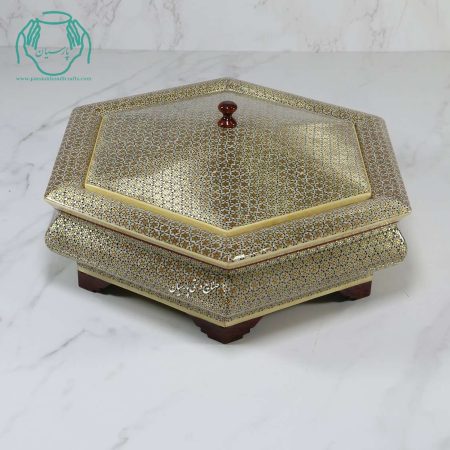
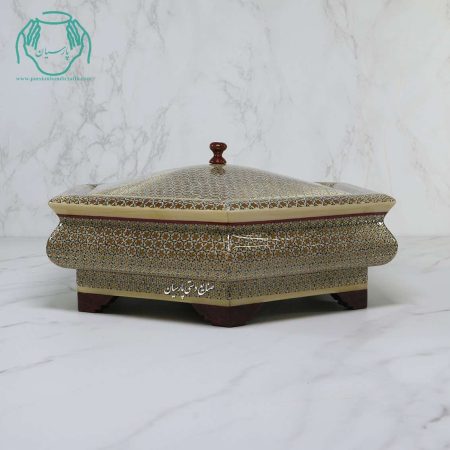
شکلات خوری شش گوش تمام خاتم اعلی سایز بزرگ
۸,۲۰۰,۰۰۰ تومان
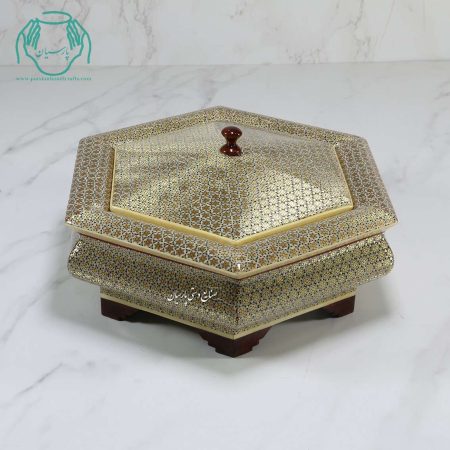
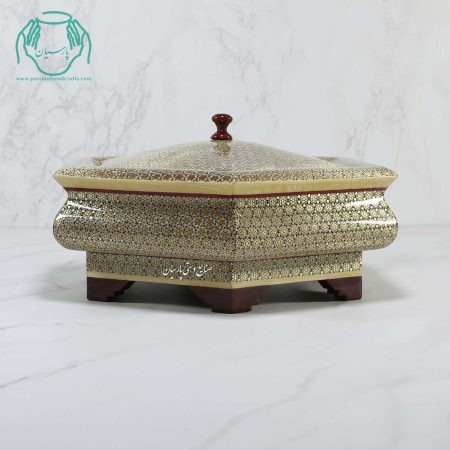
شکلات خوری شش ضلعی تمام خاتم اعلی سایز متوسط
۶,۷۰۰,۰۰۰ تومان
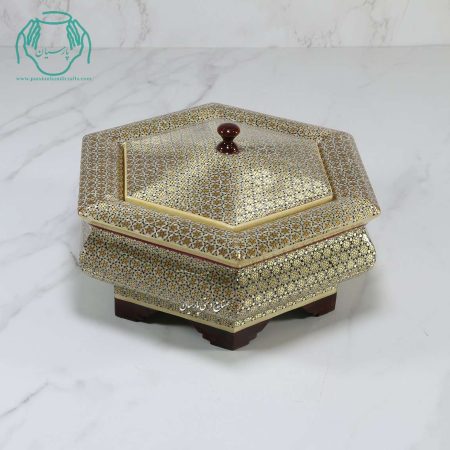
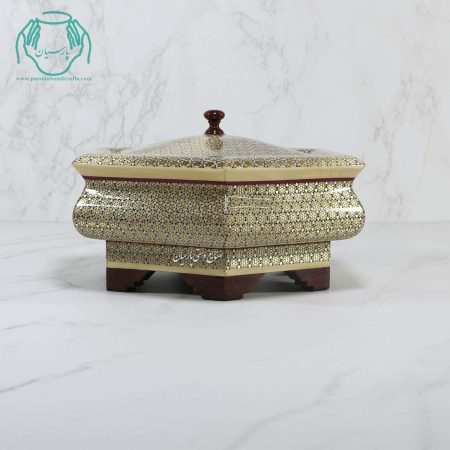
شکلات خوری شش گوش تمام خاتم اعلی سایز کوچک
۵,۲۰۰,۰۰۰ تومان
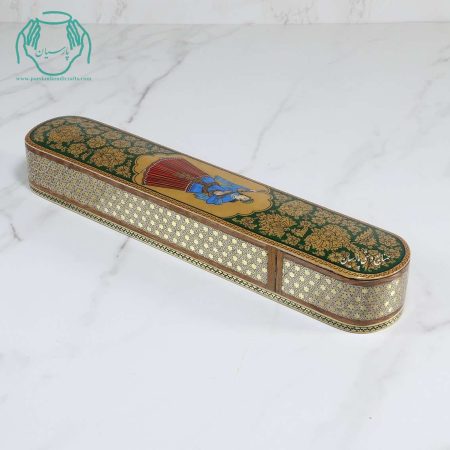
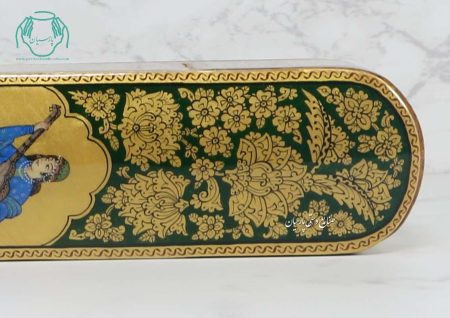
جامضرابی خاتم و نقاشی تشعیر اعلی زمینه سبز
۵,۷۹۶,۰۰۰ تومان
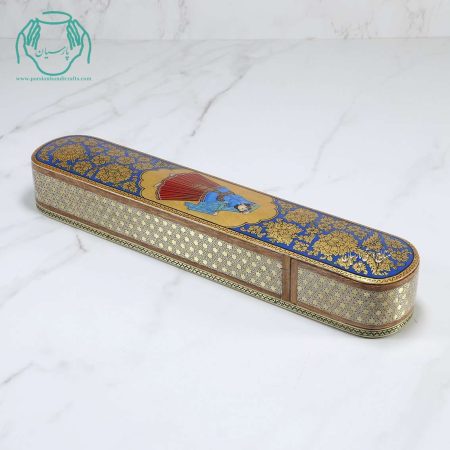
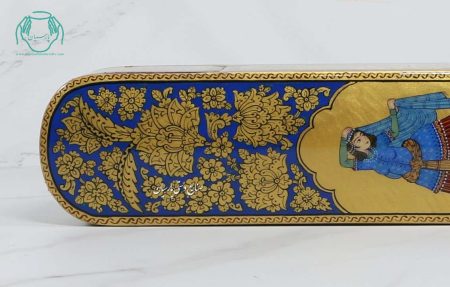
جامضرابی خاتم و نقاشی تشعیر اعلی زمینه آبی
۵,۷۹۶,۰۰۰ تومان
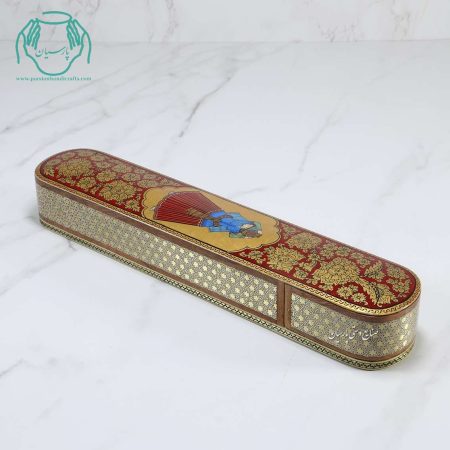
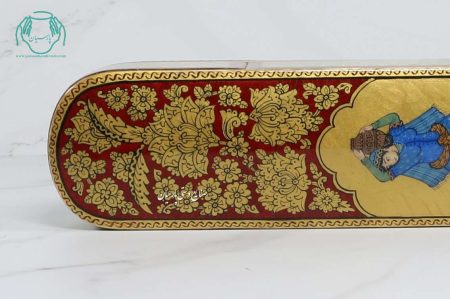
جامضرابی خاتم و نقاشی تشعیر اعلی زمینه قرمز
۵,۷۹۶,۰۰۰ تومان


جاقلمی کشویی خاتم نقاشی
تماس بگیرید


جاقلمی صندوقی خاتم کاری داخل جیر
تماس بگیرید
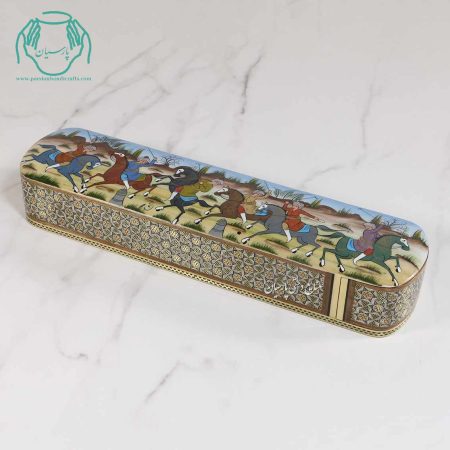
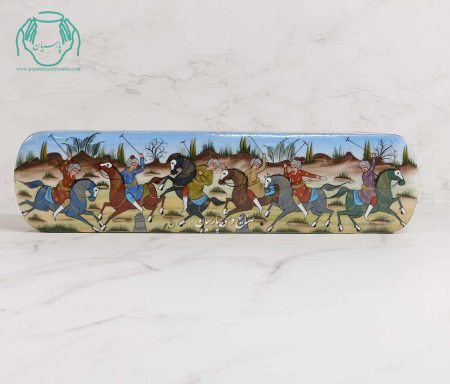
جامضرابی خاتم و نقاشی چوگان
تماس بگیرید
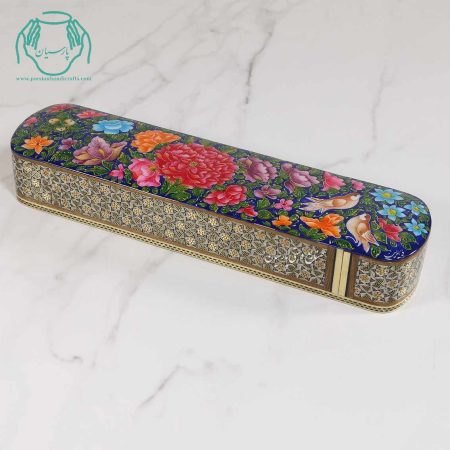
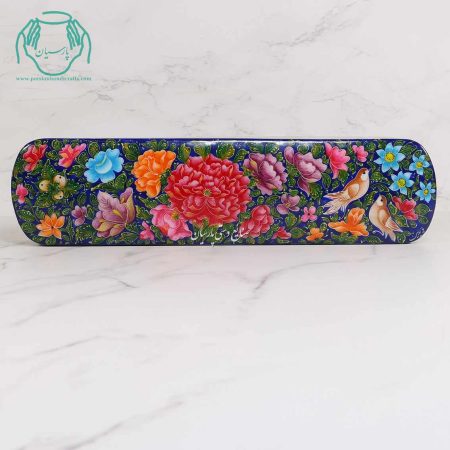
جامضرابی خاتم و نقاشی گل و مرغ
تماس بگیرید
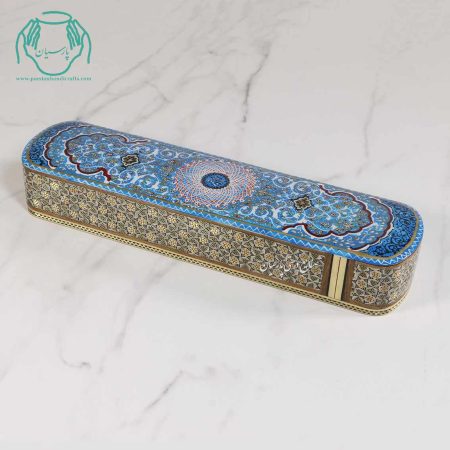
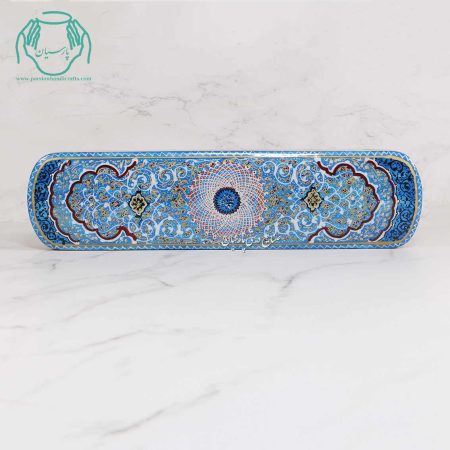
جامضرابی خاتم و نقاشی تذهیب
۶,۲۱۰,۰۰۰ تومان
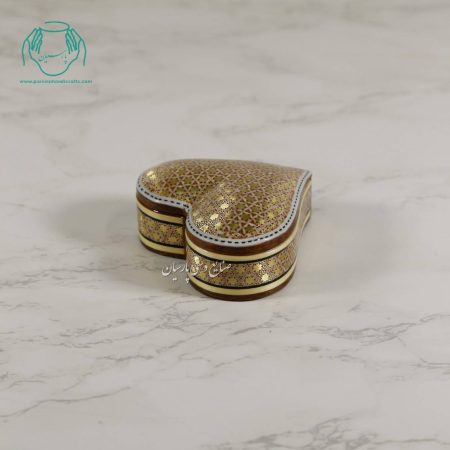
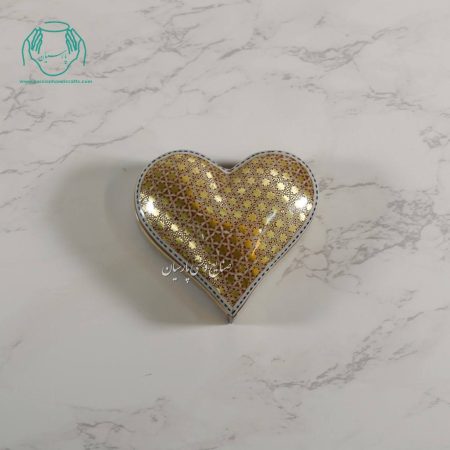
جاجواهراتی طرح قلب خاتم کندویی
۲,۱۰۰,۰۰۰ تومان
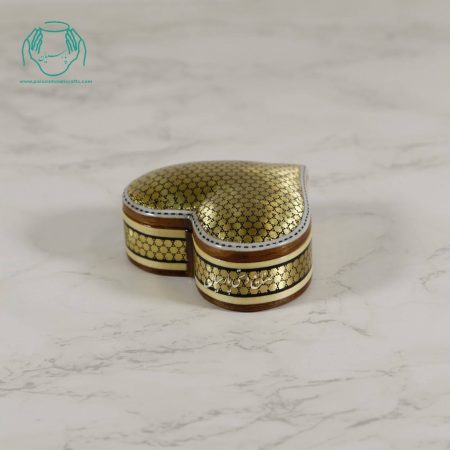
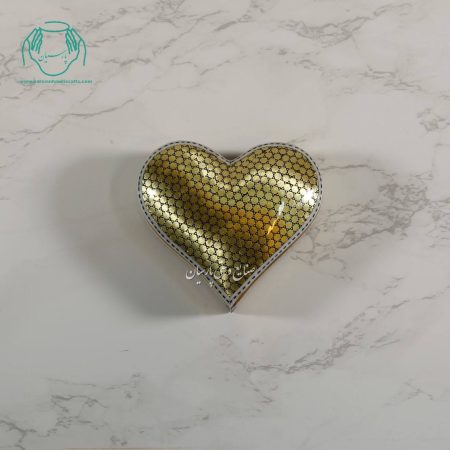
جاجواهراتی طرح قلب خاتم کندویی پرسیم
۲,۱۰۰,۰۰۰ تومان
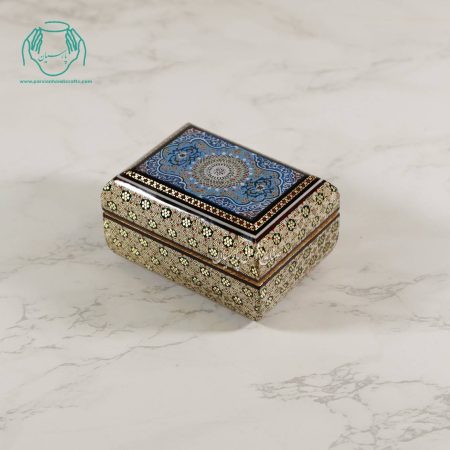
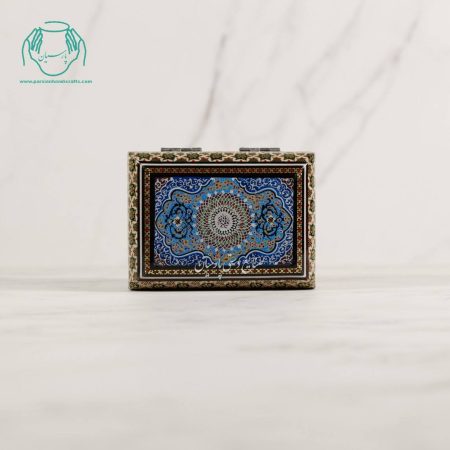
جعبه جواهرات داخل خاتم رو نقاشی تذهیب
۳,۱۵۰,۰۰۰ تومان
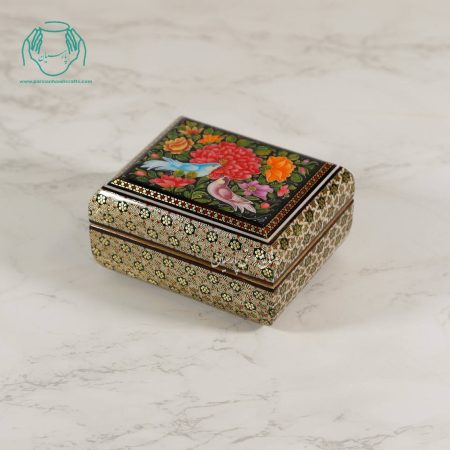
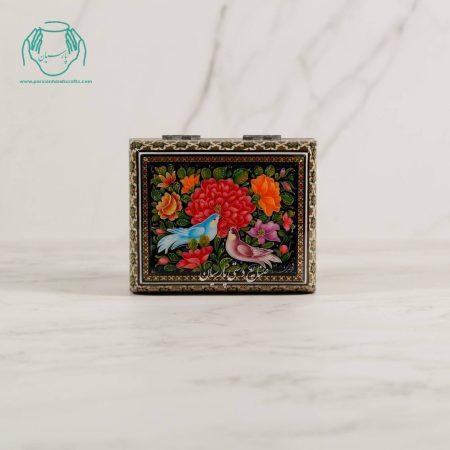
جعبه جواهرات خاتم گل و مرغ زمینه مشکی
۳,۱۵۰,۰۰۰ تومان
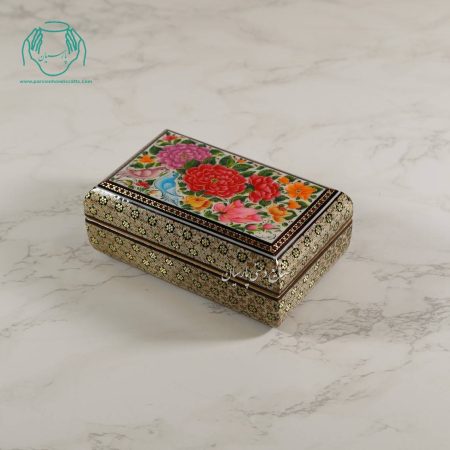
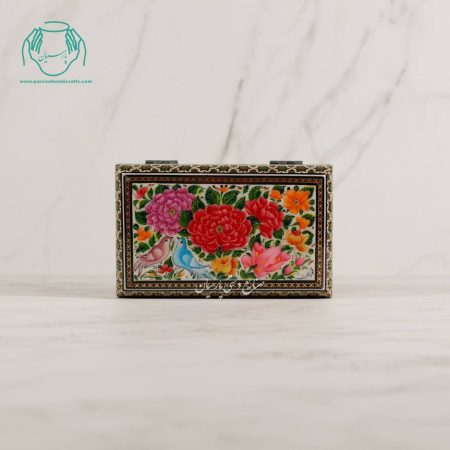
جعبه جواهرات داخل خاتم رونقاشی گل مرغ
۴,۶۵۰,۰۰۰ تومان
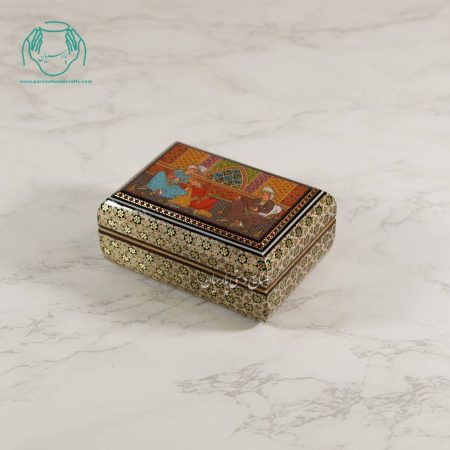
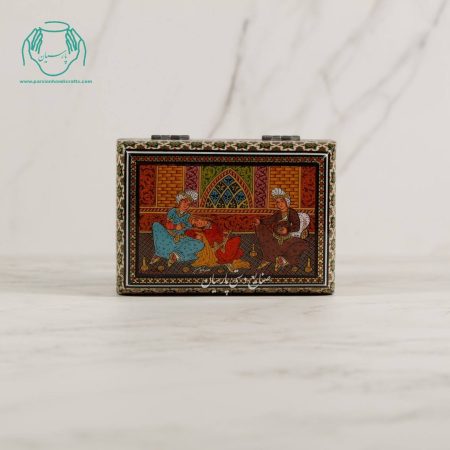
جعبه جواهرات داخل خاتم رو نقاشی بزم
۴,۶۵۰,۰۰۰ تومان
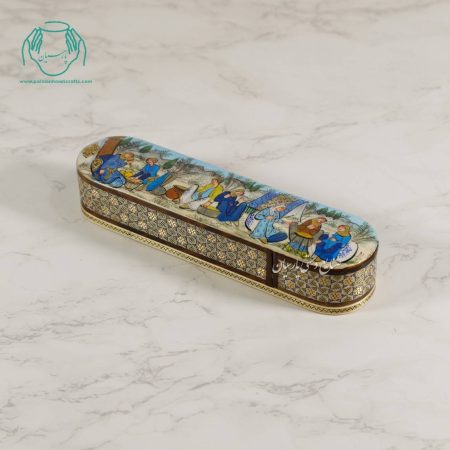
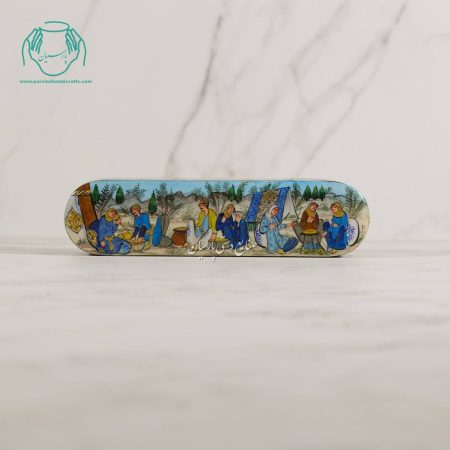
قلمدان خاتم نقاشی عشایر
۱,۹۵۴,۰۰۰ تومان
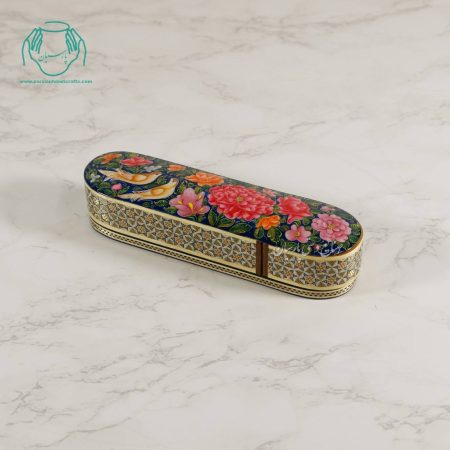
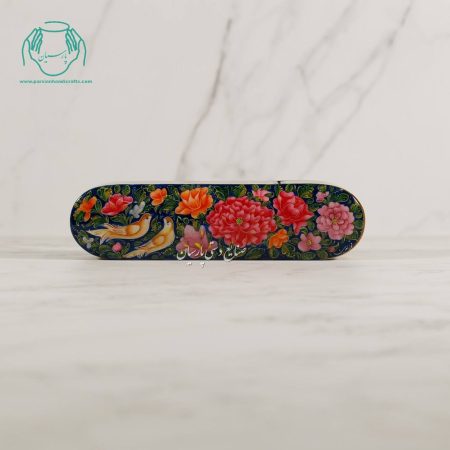
جاقلمی خوشنویسی خاتم نقاشی گل مرغ اعلی
۲,۸۵۶,۰۰۰ تومان
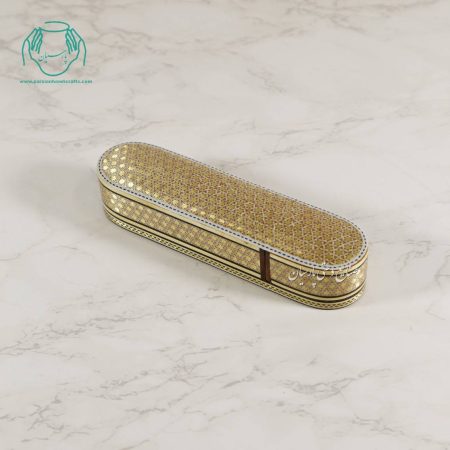
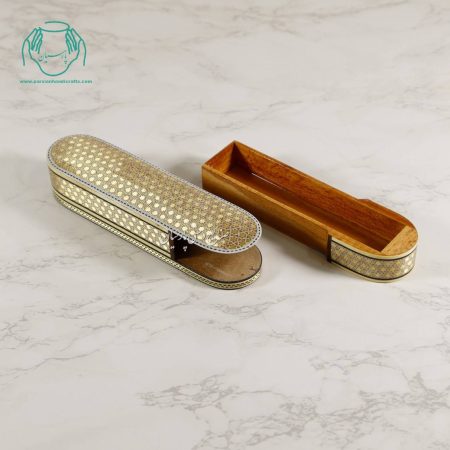
قلمدان تمام خاتم اعلی
۱,۹۸۷,۰۰۰ تومان
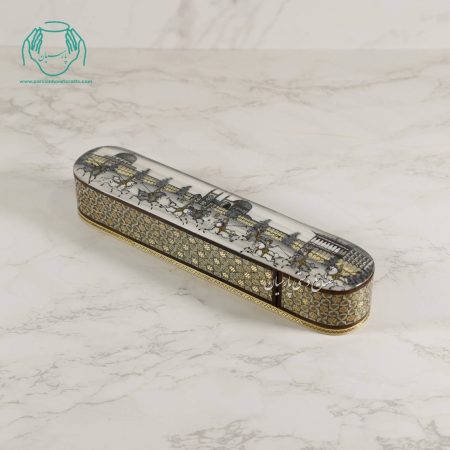
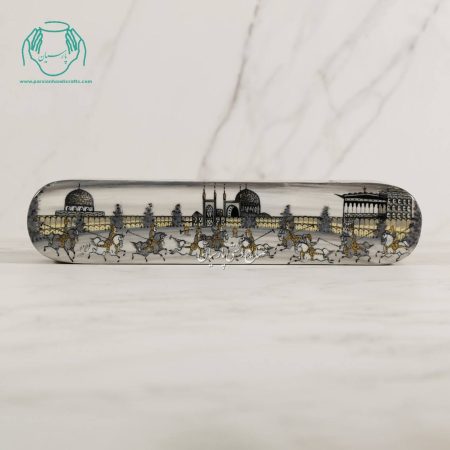
جامضرابی خاتم و نقاشی چوگان سیاه سفید
۴,۸۰۲,۰۰۰ تومان
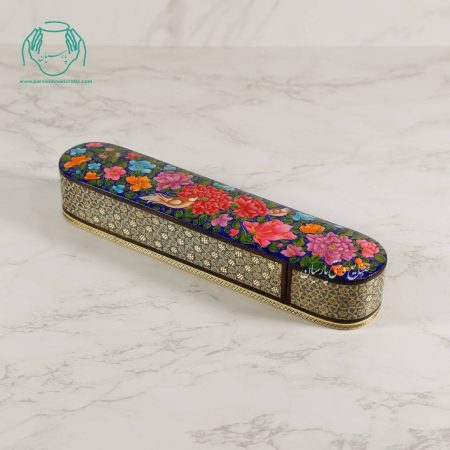
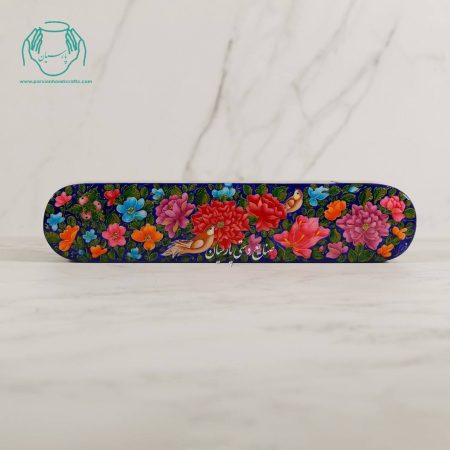
جامضرابی خاتم نقاشی گل مرغ زمینه آبی کاربنی
۳,۷۲۶,۰۰۰ تومان
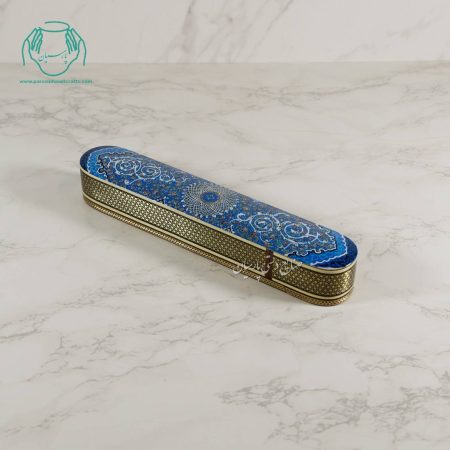
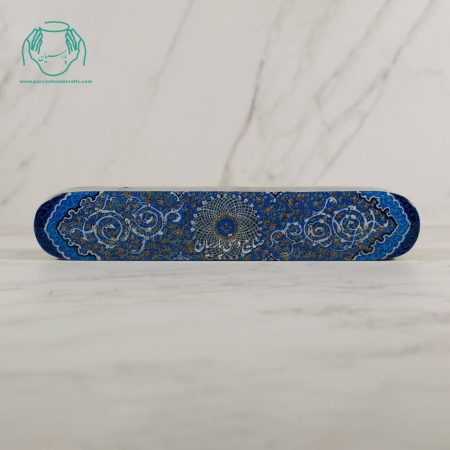
جعبه چوبی مضراب سنتور خاتم نقاشی تذهیب
۵,۶۴۰,۰۰۰ تومان
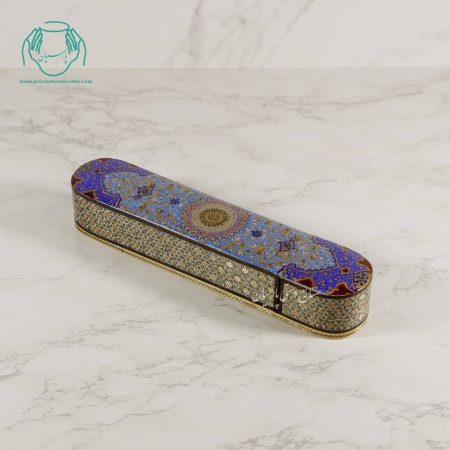
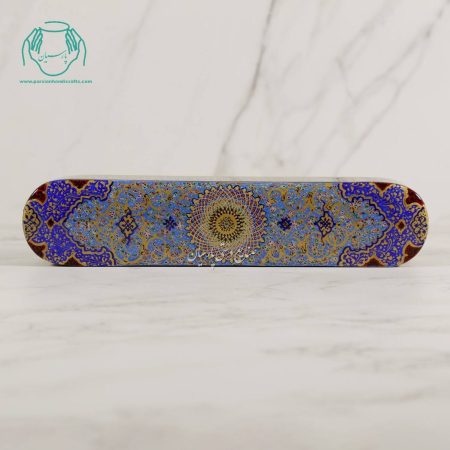
جامضرابی خاتم و نقاشی تذهیب اصفهان
۶,۲۱۰,۰۰۰ تومان
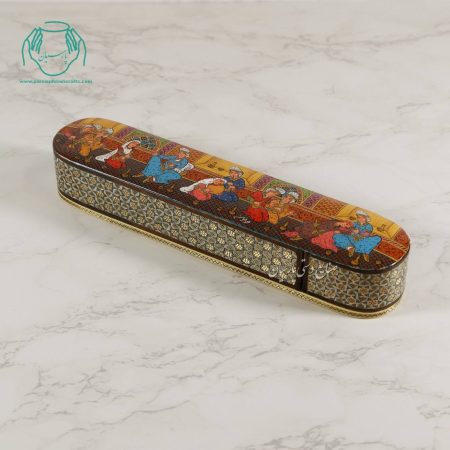
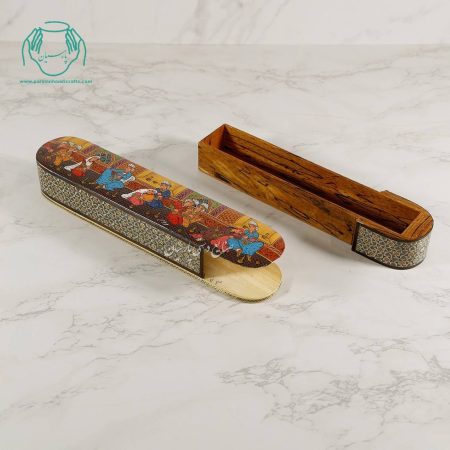
جامضرابی خاتم و نقاشی بزم
۴,۹۶۸,۰۰۰ تومان
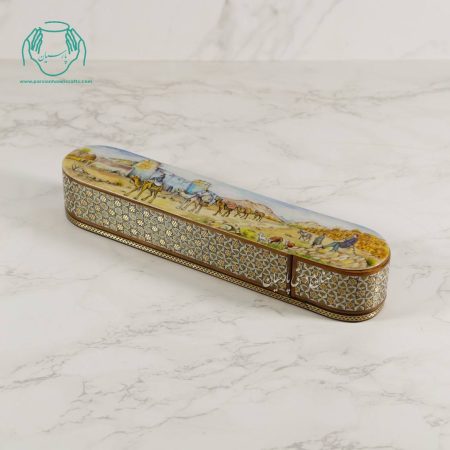
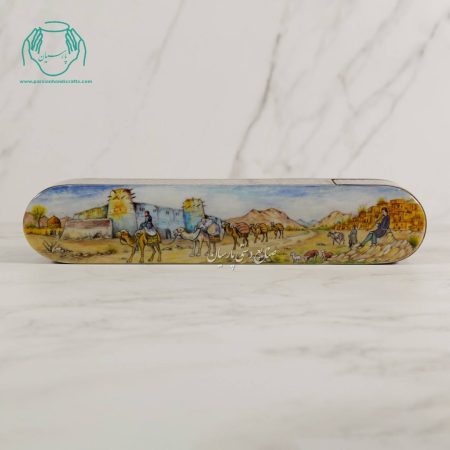
جامضرابی خاتم و نقاشی کاروان
۱,۹۸۷,۰۰۰ تومان
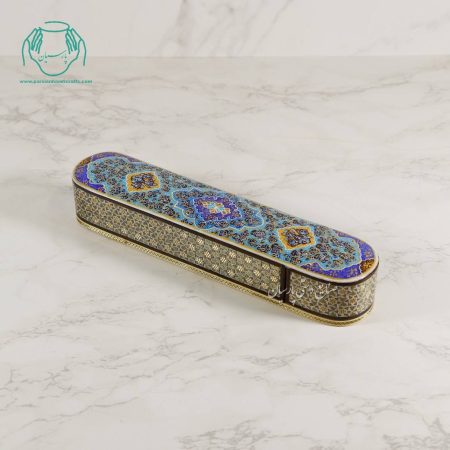
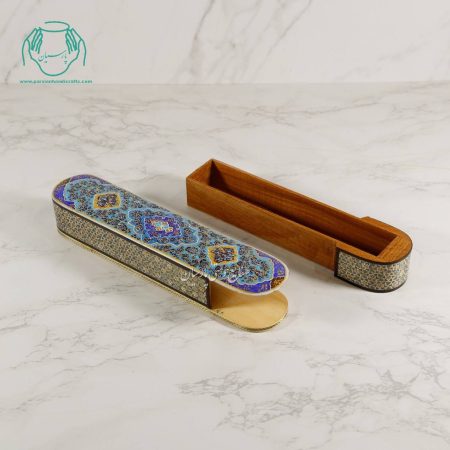
جامضرابی خاتم و نقاشی تذهیب
۶,۲۱۰,۰۰۰ تومان
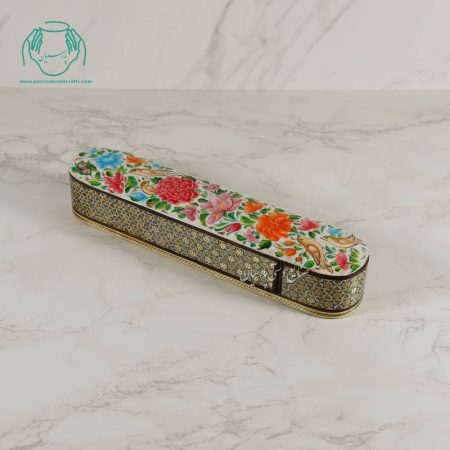
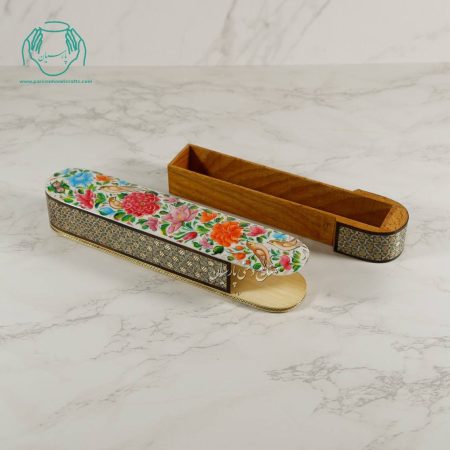
جامضرابی خاتم و نقاشی گل و مرغ
۳,۵۶۰,۰۰۰ تومان
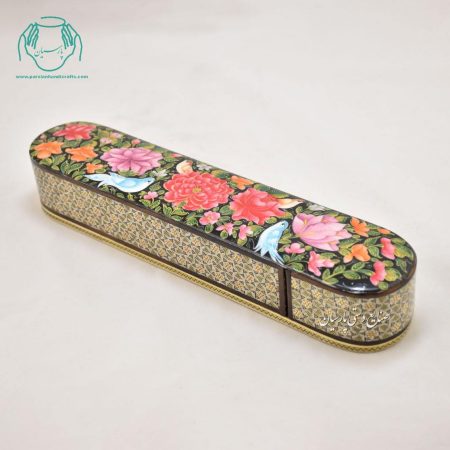
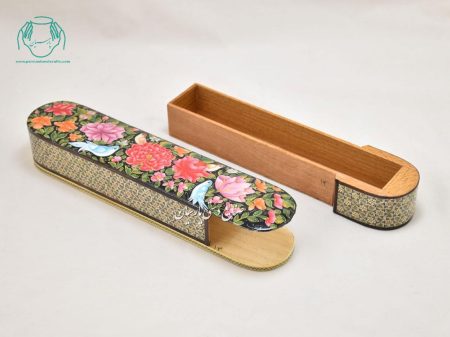
جا مضرابی خاتم و نقاشی گل و مرغ اعلی
۳,۷۲۶,۰۰۰ تومان


جعبه تمام خاتمکاری خورشیدی پر سیم سایز بزرگ
۶,۷۵۰,۰۰۰ تومان


جعبه تمام خاتمکاری خورشیدی پر سیم سایز کوچک
۴,۶۵۰,۰۰۰ تومان


جعبه تمام خاتمکاری ستاره ای پر سیم سایز کوچک
۴,۶۵۰,۰۰۰ تومان


ساعت خاتم کاری و صفحه مینا کاری سایز کوچک
۳,۴۰۰,۰۰۰ تومان


ساعت خاتمکاری و صفحه میناکاری سایز متوسط
۲,۵۰۰,۰۰۰ تومان


جعبه جواهرات خاتم کاری اعلی و نقاشی تذهیب
۲۱,۱۵۰,۰۰۰ تومان


جعبه جواهرات خاتم کاری و نقاشی تذهیب اعلی
۱۴,۲۵۰,۰۰۰ تومان


جعبه جواهرات خاتم کاری و نقاشی گل و مرغ
۲۲,۲۰۰,۰۰۰ تومان


ناموجود نمونههای مشابه موجود است
جاقرآنی نفیس خاتمکاری و نقاشی تذهیب اعلی
۳۷,۲۲۴,۰۰۰ تومان


ناموجود نمونههای مشابه موجود است
جاقرآنی نفیس خاتمکاری و نقاشی چوگان
۴۵,۳۰۲,۰۰۰ تومان


ناموجود نمونههای مشابه موجود است
جعبه جواهرات کندویی خاتم و نقاشی تشعیر زمینه سبز
۲,۱۸۷,۹۰۰ تومان


جا قلمی خاتم و نقاشی تشعیر زمینه قرمز
۳,۹۶۰,۰۰۰ تومان


جا قلمی خاتم و نقاشی تشعیر زمینه سبز
۳,۹۶۰,۰۰۰ تومان


جا مضرابی خاتم و نقاشی تشعیر سرمه ایی
۵,۳۸۲,۰۰۰ تومان


ناموجود نمونههای مشابه موجود است
جعبه جواهرات کندویی خاتم و نقاشی تشعیر زمینه سرمه ایی
۲,۱۸۷,۹۰۰ تومان


جا قلمی خاتم و نقاشی تشعیر زمینه آبی فیروزه ایی
۵,۳۸۲,۰۰۰ تومان


جا مضرابی خاتم و نقاشی تشعیر زمینه سبز
۵,۳۸۲,۰۰۰ تومان


جا قلمی خاتم تشعیر زمینه سرمه ایی
۳,۹۶۰,۰۰۰ تومان
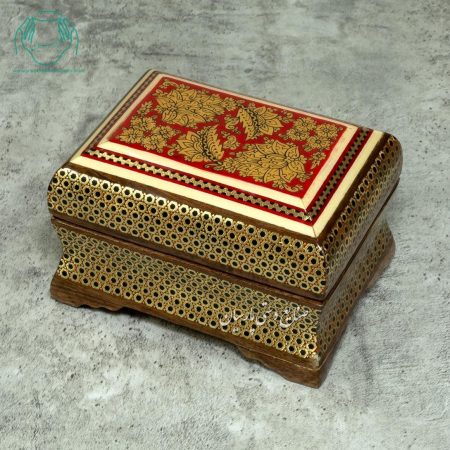

ناموجود نمونههای مشابه موجود است
جعبه جواهرات کندویی خاتم و نقاشی تشعیر زمینه قرمز
۲,۱۸۷,۹۰۰ تومان


پک ست اداری رو میزی
۱۴,۱۶۰,۰۰۰ تومان

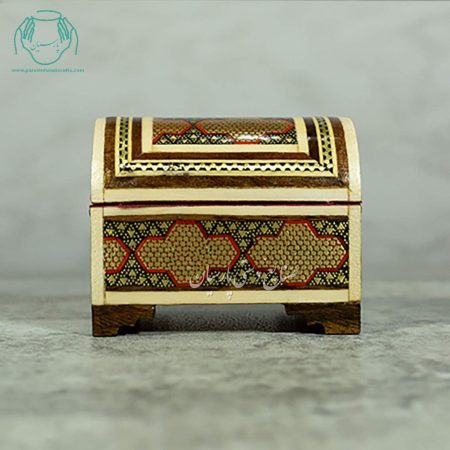
جعبه صندوقی جواهرات خاتمکاری داخل جیر
۱,۱۴۰,۰۰۰ تومان

جاسیگاری خاتم کاری بیضی
۱,۴۰۰,۰۰۰ تومان

جاسیگاری خاتم کاری چهار گوش
۱,۴۰۰,۰۰۰ تومان

فندک خاتم کاری
۴۰۰,۰۰۰ تومان

پیپ خاتم کاری
۱,۴۰۰,۰۰۰ تومان

ست فندک و چوب سیگار خاتم کاری
۷۰۰,۰۰۰ تومان


ست پیپ فندک و چوب سیگار خاتم کاری
۱,۹۰۰,۰۰۰ تومان


جعبه جواهرات خاتمکاری طرح صدف سایز بزرگ
۱۰,۰۵۰,۰۰۰ تومان


جعبه جواهرات خاتمکاری سایز متوسط
۸,۴۰۰,۰۰۰ تومان


جعبه جواهرات خاتم صدف ساز متوسط
۶,۶۰۰,۰۰۰ تومان


جعبه جواهرات خاتمکاری طرح صدف سایز کوچک
۴,۲۷۵,۰۰۰ تومان


خودکار خاتم کاری جعبه دار
۷۰۰,۰۰۰ تومان

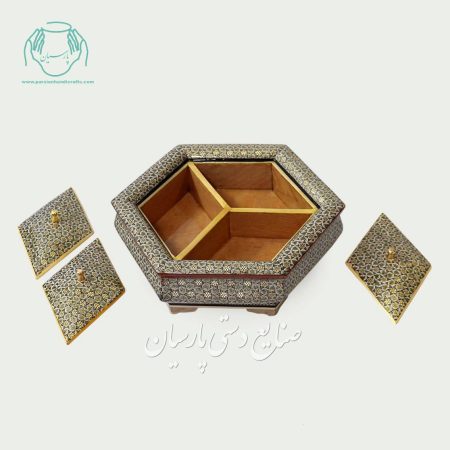
شکلات خوری سه در چوب و خاتم
۲,۶۴۰,۰۰۰ تومان
Frequently Asked Questions Before Buying
What is Khatam Kari and what materials is it made of?
Khatam Kari is the art of arranging very small triangles in a mosaic pattern made of colored wood (jujube, orange, betel), bone (camel) and brass metal. These pieces are glued together in a precise geometric order to create star and polygonal patterns on the surface of objects (wood or copper). The smaller and more regular the triangles, the better the Khatam.
Khatam is the art of decorating the surface of objects with very small and regular pieces. In this art, small triangles made of wood, metal, and bone are arranged together to create intricate and eye-catching geometric designs. The smaller and more delicate these pieces are, the better the work. In a Khatam design, at least three triangles are used to create the smallest geometric unit, and up to four hundred triangles are used for the largest.
How to distinguish genuine and high-quality Khatam from poor-quality examples?
To recognize the quality of genuine Khatam, pay attention to these 4 points:
Smooth surface: When you touch it, no roughness or protrusions should be felt.
Seamless: There should be no gaps between the triangles and no putty should be visible.
Symmetry: Flowers and geometric shapes should be completely symmetrical and regular.
Natural color: Using natural wood and bone instead of chemical or plastic colors is a sign of authenticity.
Is it possible to order a custom design?
Yes, one of the distinctive services of isfahan handicrafts is personalization of orders. For this, just contact us.
How long is the preparation and delivery time for orders?
For works in stock, immediate shipping (24 to 48 hours) is done. However, for special orders or luxury works that require production, it takes between 7 and 28 working days, depending on the complexity of the design. The exact time will be announced to you when placing the order.
What is the method of cleaning Khatam utensils?
Washing with water is prohibited. Moisture is the main enemy of Khatam and causes bones to turn black and pieces to lift. To clean Parsian Khatam products, use only a nano cloth or a dry, soft cotton cloth. The polyester protective layer on our products prevents deep dust from settling.
Does the color of Khatam and copper change or turn black over time?
In Parsian handicraft products, the entire surface of the work (both copper and Khatam) is covered with several layers of high-quality polyester. This transparent layer acts as a shield and prevents the copper from oxidizing (turning black) and changing the color of the Khatam. As long as this coating is not damaged by impact or chemicals, the product will maintain its shine for years.
What are the warranty conditions for Parsian Khatam products?
We are confident in the quality of our work. All Parsian Khatam products have a 10-year warranty card that includes a guarantee that the Khatam will not change color, turn black, or separate (if properly maintained and not physically damaged). A certificate of authenticity is also sent with the product.
Why do the prices of two Khatam products of the same size differ?
The price of the Khatam depends on the “amount of work and finesse,” not just the size. The fineness of the Khatam: “Persim” Khatams, which have smaller triangles, take much longer to make and are more expensive. Raw materials: The use of camel bone and betel wood increases the price. Infrastructure quality: The thickness of the copper and the quality of the final finish (polyester) affect the price.
What are the most popular Khatam products for gifts and dowries?
For dowries and home decoration, chocolate sets and copper and Khatam vases or Khatam wall clocks are very popular. For management and organizational gifts, tissue boxes, pen holders, and exquisite backgammon boards are considered luxurious and lasting options.